

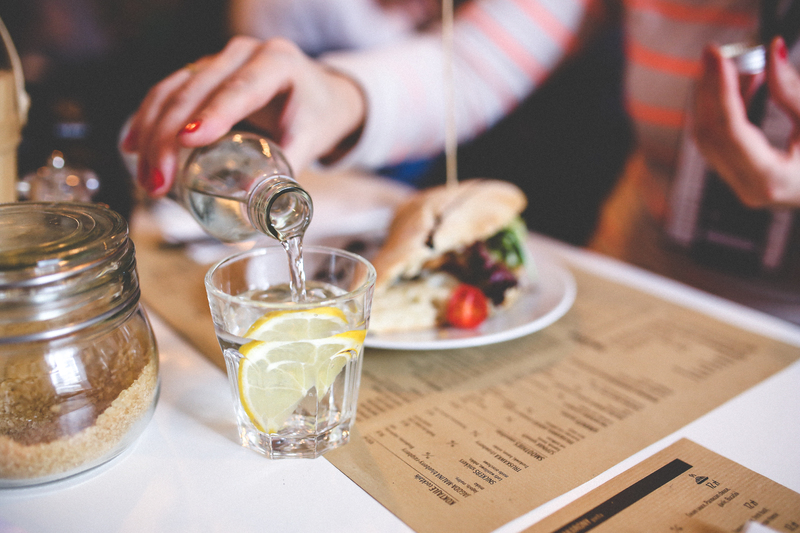
Should we consume beverages and water with food? In diets, whether for weight loss, maintenance, or managing blood sugar, we strive to minimize sudden spikes in blood glucose levels. So, what is the impact of drinking water during a meal on this process?
One study [1] examined the effect of adding 300 ml of water to a meal on blood glucose and insulin levels in healthy individuals and Type 2 diabetic patients. The results showed that drinking water with a meal led to a significant increase in peak blood sugar and insulin response in healthy subjects by 68%, and in well-controlled diabetic patients by 40%, while no significant effect was observed in poorly-controlled patients. The study concluded that diluting a meal with water alters its physical properties, which accelerates the body’s physiological response—a factor that should be considered when providing dietary advice to diabetic patients.
Another study [2] investigated the timing of water consumption on postprandial blood glucose levels in 35 volunteers. It compared eating a jelly-filled doughnut alone versus eating it with water at different times. The results indicated that drinking water simultaneously with the meal led to a much higher and more significant rise in blood glucose levels compared to eating the meal alone or drinking water 30 minutes before or after. This suggests that combining eating and drinking at the same time may increase the risk of obesity, diabetes, and heart disease. Consequently, the study advises reconsidering our eating habits and reducing water intake during meals to control sugar levels and avoid chronic disorders.
In a similar study [3], researchers found that consuming steamed rice and water simultaneously accelerates the digestion and absorption of glucose and activates glycolysis compared to eating rice alone. An immediate rise in blood glucose levels was observed in the group that combined rice and water, and the peak glucose time was much faster (38 minutes) compared to rice alone (60 minutes). The researchers concluded that drinking fluids with starchy meals increases meal volume and dilutes glucose concentration, thereby hastening the body’s physiological response. This calls for standardized fluid intake criteria in future studies related to metabolism and gastric emptying to ensure accurate results.
Conclusion: For better health, maintain a gap between water or other beverages and your meal. If the beverages contain sugar, such as juices, the situation becomes much worse; for alcoholic beverages, it is even more complex. Consume carbohydrates on their own and wait at least half an hour to ensure that blood sugar levels do not rise higher than the natural effect of the carbohydrates themselves.
References
[1] Torsdottir, I., and H. Andersson. “Effect on the postprandial glycaemic level of the addition of water to a meal ingested by healthy subjects and type 2 (non-insulin-dependent) diabetic patients.” Diabetologia 32.4 (1989): 231-235.
[2] Bipat, Robbert, and Jerry R. Toelsie. “Drinking water with consumption of a jelly filled doughnut has a time dependent effect on the postprandial blood glucose level in healthy young individuals.” Clinical nutrition ESPEN 27 (2018): 20-23.
[3] Tobina, Takuro, et al. “Effect of Mixed Solid Food and Water Intake on Blood Glucose Level and Energy Metabolism.” Journal of Nutritional Science and Vitaminology 70.6 (2024): 490-495.
0 Comments