
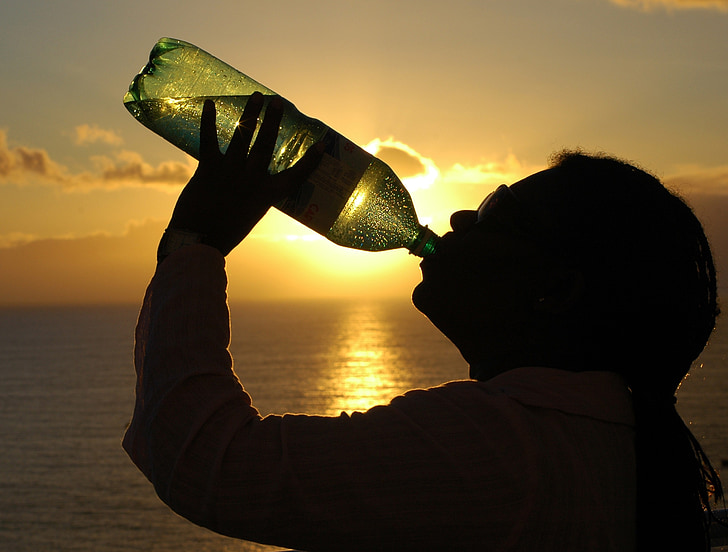
As we live through the days of Ramadan this year, we read a lot on Facebook about the benefits of fasting for all body systems. The true scientific aspect of these claims is based on numerous fasting studies. However, there is a slight nuance: the vast majority of “fasting” studies discuss the cessation of food or calorie-containing content for periods ranging from several hours to several weeks. Ramadan fasting is characterized by another dimension: dehydration.
Since thirst is merely a late sign of acute dehydration, we can measure the percentage of those affected by dehydration annually during fasting, especially when Ramadan falls in the summer. One of the most prominent scientific studies on fasting [1] defines it as follows:
“Fasting in humans is achieved by not consuming food or calorie-containing beverages for a period ranging from 12 hours to three weeks.” — Longo & Mattson, 2014
Therefore, with every study we read about the effects of fasting, we must also read about the effects of dehydration.
Beyond its direct impact on energy acquisition processes, dehydration affects blood flow and oxygen supply [2]. Dehydration reduces blood volume—of which water constitutes a large percentage—making it difficult for the heart to pump blood efficiently. This reduction in blood flow restricts the delivery of oxygen and vital nutrients to cells, including brain and muscle cells, leading to fatigue and decreased energy production.
While an abundance of water facilitates the processes of extracting energy from fat or glycogen stores [3], dehydration plays the opposite role by hindering our ability to obtain energy from these reserves. Fatigue during Ramadan fasting is not explained by a lack of food, but rather by the dehydration that occurs, of which thirst, changes in saliva composition, and headaches are late and severe signs [4]. During food cessation, dehydration does not make it easier to compensate for energy loss or to reduce fat mass via lipolysis (breaking down fat for use); instead, it leads to general fatigue, poor mood, and exhaustion. As a result, many notice no weight loss after the end of Ramadan, a common observation supported by a study of 173 families who observed the fast [5].
At the muscular level, dehydration affects performance and, consequently, our general ability to move actively. One study conducted on elite karate athletes divided them into a group that did not drink water and another that hydrated normally. The performance of the dehydrated group was significantly worse across measured indices of strength, jump height, and other metrics [6].
In conclusion, dehydration explains many of the phenomena people experience during fasting, such as low energy levels, fatigue, and weight gain. This should be taken into consideration for those with health conditions or those looking for options to help combat dehydration. Dehydration’s impact is more significant than the lack of calorie consumption for part of the day—which is generally positive, but not when coupled with dehydration.
References
-
Longo, Valter D., and Mark P. Mattson. “Fasting: molecular mechanisms and clinical applications.” Cell Metabolism 19.2 (2014): 181-192.
-
The Gertrude’s Health Clinic. “The Role of Hydration in Your Daily Energy Levels.” Accessed 16 Mar. 2026. Link
-
Thornton, Simon N. “Increased hydration can be associated with weight loss.” Frontiers in Nutrition 3 (2016): 183053.
-
Eckelkamp, Stephanie. “How Does Hydration Affect Metabolic Health?” Levels, 22 July 2024. Link
-
Bakhotmah, Balkees Abed. “The puzzle of self-reported weight gain in a month of fasting (Ramadan) among a cohort of Saudi families in Jeddah, Western Saudi Arabia.” Nutrition Journal 10.1 (2011): 84.
-
Arnaoutis, Giannis, and Petros Neophytou. “The Effect of Acute Dehydration upon Muscle Strength Indices at Elite Karate Athletes: A Randomized Crossover Study.” Nutrients 17.9 (2025): 1452.
0 Comments